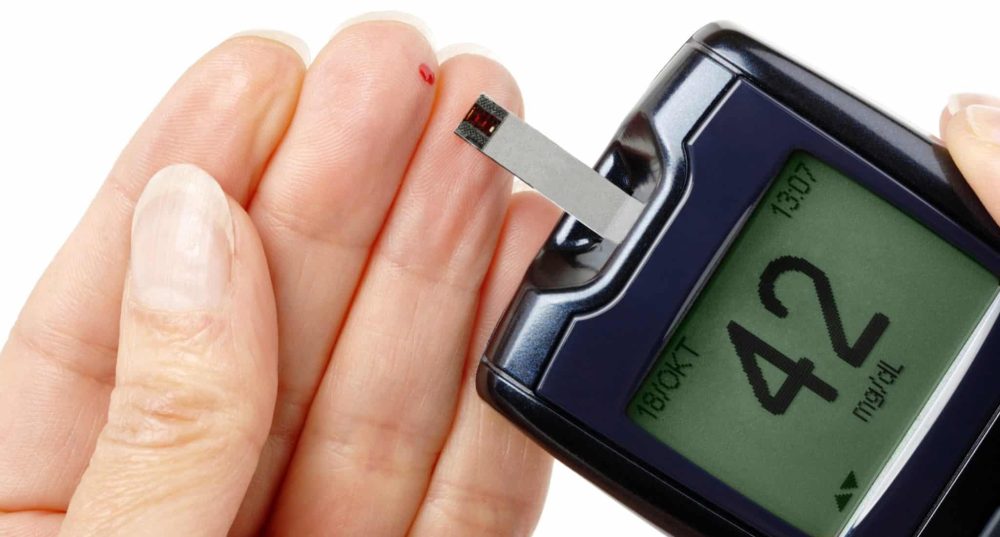
When Low Blood Sugar Is Dangerous: Levels, Risks, and Action
Living with diabetes, or caring for someone who does, means constantly navigating the delicate balance of blood glucose levels. One of the most pressing concerns is hypoglycemia, commonly known as low blood sugar. This condition isn't exclusive to those with diabetes; some individuals without it can also experience concerning dips. Recognizing low blood sugar symptoms in adults early isn't just important—it's critical for maintaining health, independence, and preventing potentially severe complications like fainting, seizures, or even loss of consciousness. This comprehensive guide will equip you with the knowledge to spot the warning signs, understand the dangerous levels, and take effective action to protect yourself or your loved ones.
Understanding Low Blood Sugar (Hypoglycemia) in Adults
Hypoglycemia occurs when the amount of glucose (sugar) in your blood drops to a level that is too low to fuel your body's cells, especially your brain. Glucose is your body's primary energy source, derived from the food you eat. While ideal blood sugar levels can vary slightly, clinicians typically define low blood sugar as a reading below 70 milligrams per deciliter (mg/dL). At this point, your body starts sending out warning signals, and timely intervention is necessary. Ignoring these signals can lead to a cascade of more serious symptoms as glucose levels continue to fall.
Recognizing the Key Low Blood Sugar Symptoms In Adults
The presentation of low blood sugar can be highly individual, varying significantly from person to person and even from one episode to the next for the same individual. However, there are common patterns of symptoms that emerge as glucose levels decline. It's crucial to pay attention to these, track your personal patterns, and communicate them with your healthcare provider.
Early and Mild Symptoms (The Body's Urgent Warning)
These initial symptoms are your body's way of telling you that your blood sugar is dropping and that it's trying to counteract the fall by releasing hormones like adrenaline. They are often physical and noticeable:
- Trembling or Shakiness: An internal or external tremor that can feel like nervousness.
- Sweating: Often cold, clammy sweat, even in cool environments.
- Rapid Heartbeat (Palpitations): Your heart may feel like it's racing or pounding.
- Intense Hunger: A sudden, profound feeling of needing to eat.
- Irritability or Mood Changes: Feeling edgy, anxious, or unusually moody.
- Anxiety: A sense of unease or nervousness without a clear cause.
For individuals with type 2 diabetes, these early warning signs may sometimes be less pronounced, making recognition more challenging. Regular monitoring and awareness of personal triggers become even more vital in these cases.
Moderate Symptoms (When the Brain Starts Struggling)
As blood glucose levels continue to fall, your brain begins to suffer from a lack of its primary fuel. This leads to neuroglycopenic symptoms, which affect cognitive function and motor skills:
- Confusion or Disorientation: Difficulty thinking clearly, feeling lost.
- Blurred Vision or Double Vision: Visual disturbances making it hard to focus.
- Headache: Often a dull, persistent ache.
- Slowed Thinking or Difficulty Concentrating: Trouble processing information or completing tasks.
- Slurred Speech: Similar to being intoxicated.
- Weakness or Fatigue: A profound sense of tiredness.
Severe Symptoms (Life-Threatening Emergency)
If low blood sugar is left untreated, it can progress to a severe stage where immediate intervention is required. At this point, the individual typically needs help from another person because they are unable to self-treat. Severe symptoms include:
- Seizures: Uncontrolled electrical activity in the brain.
- Fainting or Loss of Consciousness: Passing out due to insufficient brain function.
- Coma: A prolonged state of unconsciousness.
These severe episodes underscore why early recognition and treatment of low blood sugar symptoms in adults are paramount. Over time, frequent low blood sugar episodes can also lead to a phenomenon known as hypoglycemia unawareness, where the body stops producing those crucial early warning signs, making recognition much harder and increasing the risk of severe events. Keeping detailed notes on your personal patterns, including timing, activity, and food intake, can be incredibly helpful. Share these observations with your care team to shape safer routines. For more detailed insights on prevention, check out our article: Adult Low Blood Sugar: Spotting Symptoms & Preventing Dips.
What Causes Low Blood Sugar: With and Without Diabetes
Understanding the root cause of hypoglycemia is key to preventing future episodes. The reasons differ significantly between individuals with and without diabetes.
For People with Diabetes
In people managing diabetes, low blood sugar often arises from an imbalance between medication, food intake, and physical activity. Common triggers include:
- Medication Timing or Dosage: Taking too much insulin or certain oral medications (like sulfonylureas) or taking them at the wrong time relative to meals.
- Skipped or Delayed Meals: Not eating enough or delaying a meal after taking glucose-lowering medication.
- Increased Physical Activity: Exercising more intensely or for longer than usual without adjusting food intake or medication. Muscles use more glucose during and after exercise, which can lead to a drop in blood sugar.
- Alcohol Consumption: Alcohol can interfere with the liver's ability to release stored glucose, leading to delayed hypoglycemia, sometimes hours after drinking.
For People Without Diabetes
While less common, individuals without diabetes can also experience hypoglycemia. This is often referred to as non-diabetic hypoglycemia. Causes can include:
- Reactive Hypoglycemia: This occurs a few hours after eating, especially after a meal high in carbohydrates. It's often due to a delayed or excessive insulin release in response to the meal, causing blood sugar to drop too far.
- Prolonged Fasting or Intense Exercise: Long gaps between meals or very strenuous physical activity can deplete glucose stores, especially if nutritional intake is insufficient.
- Rare Medical Conditions: Certain medications, heavy alcohol intake, critical illness, or hormone deficiencies (e.g., adrenal or pituitary disorders) can interfere with glucose regulation. Tumors that produce insulin (insulinoma) are extremely rare but can also cause hypoglycemia.
Tracking your food, activity, and the timing of any symptoms can help reveal helpful patterns and aid your doctor in diagnosing the underlying cause. For a deeper dive into the causes and management strategies, explore: Hypoglycemia in Adults: Key Symptoms, Causes, and Management.
When Low Blood Sugar Becomes Dangerous: Levels and Risks
While any blood sugar reading below 70 mg/dL warrants attention, certain levels carry increased risk and demand urgent action. Understanding these thresholds is crucial for safe management.
- Below 70 mg/dL: This is the general threshold where clinicians recommend taking action. It's considered an "actionable low," meaning you should treat it promptly.
- Below 54 mg/dL: A deeper drop below this level is often labeled "clinically significant hypoglycemia." At this point, cognitive function can be noticeably impaired, and urgent correction is paramount.
- Severe Hypoglycemia: This term refers to any episode where a person needs the assistance of another individual to administer carbohydrates, glucagon, or take other corrective actions, regardless of the actual meter reading. This signifies a medical emergency.
You might wonder about a specific "low blood sugar death level." The truth is, there isn't a single, fixed number. The risk of serious complications, including death, climbs exponentially with deeper and more prolonged lows. Factors like age, existing health conditions, and the circumstances under which hypoglycemia occurs also play a significant role.
Specific High-Risk Scenarios:
- Nocturnal Hypoglycemia: Low blood sugar during sleep is particularly concerning because the typical warning signs are often missed. Clues might include vivid dreams or nightmares, night sweats, waking with a headache, or unusual fatigue in the morning. Sometimes, a "rebound high" blood sugar reading upon waking can be a sign of an undetected low during the night. If this happens more than once, careful review of evening activity, meal timing, and medication schedules with your clinician is essential.
- While Driving: Impaired judgment, slowed reaction time, and confusion due to hypoglycemia can make driving incredibly dangerous, increasing the risk of accidents.
- Limited Awareness: As mentioned, repeated episodes of low blood sugar can dull the body's warning signals, making it harder to recognize a low until it reaches a severe, dangerous stage.
Prevention involves small, steady steps, such as considering a balanced bedtime snack, especially after unplanned evening exercise, and regularly reviewing basal insulin timing or dose with your care team if lows recur.
Taking Action: What to Do When Low Blood Sugar Hits
Timely and appropriate action can quickly reverse hypoglycemia and prevent it from escalating to a dangerous level.
The "Rule of 15" for Immediate Treatment:
This is a widely recommended strategy for treating mild to moderate low blood sugar:
- Consume 15 grams of fast-acting carbohydrates: This could be 3-4 glucose tablets, 4 ounces (half a cup) of fruit juice or regular soda (not diet), 5-6 hard candies, or 1 tablespoon of sugar or honey.
- Wait 15 minutes: Give your body time to absorb the glucose.
- Recheck your blood sugar: If it's still below 70 mg/dL, repeat steps 1 and 2.
- Eat a small snack: Once your blood sugar is above 70 mg/dL, and if your next meal is more than an hour away, eat a small snack containing both carbohydrates and protein (e.g., crackers with cheese or peanut butter) to help stabilize levels.
Always carry sources of fast-acting carbohydrates with you, especially if you have diabetes or are prone to lows.
When to Seek Medical Help:
- If the person is unconscious, unable to swallow, or having a seizure: Call emergency services immediately. Do NOT try to force food or drink into their mouth. If available and trained, administer an emergency glucagon injection.
- If blood sugar doesn't rise after repeated treatments using the Rule of 15, or if severe symptoms persist.
- If you experience recurrent, unexplained low blood sugar episodes, even if you don't have diabetes. This warrants investigation by a healthcare professional.
Prevention Strategies:
Prevention is always better than treatment. Key strategies include:
- Consistent Monitoring: Regularly check blood sugar levels as advised by your doctor, especially before driving, exercising, or going to bed.
- Meal Planning: Eat consistent meals and snacks at regular intervals. Avoid skipping meals.
- Medication Management: Take medications exactly as prescribed and understand how they affect your blood sugar. Discuss any adjustments for activity or illness with your doctor.
- Alcohol Awareness: Consume alcohol in moderation, always with food, and monitor blood sugar closely afterwards.
- Medical ID: Wear a medical identification bracelet or necklace stating you have diabetes or are prone to hypoglycemia.
- Educate Others: Inform family, friends, and coworkers about your condition and what to do in case of an emergency.
Conclusion
Low blood sugar can be a frightening experience, but understanding low blood sugar symptoms in adults, knowing the dangerous levels, and having an action plan can significantly mitigate the risks. Whether you live with diabetes or experience hypoglycemia for other reasons, early recognition, prompt treatment, and proactive prevention are your strongest allies. Always work closely with your healthcare team to tailor a management plan that's right for you, empowering you to maintain control, protect your health, and live a full, active life.