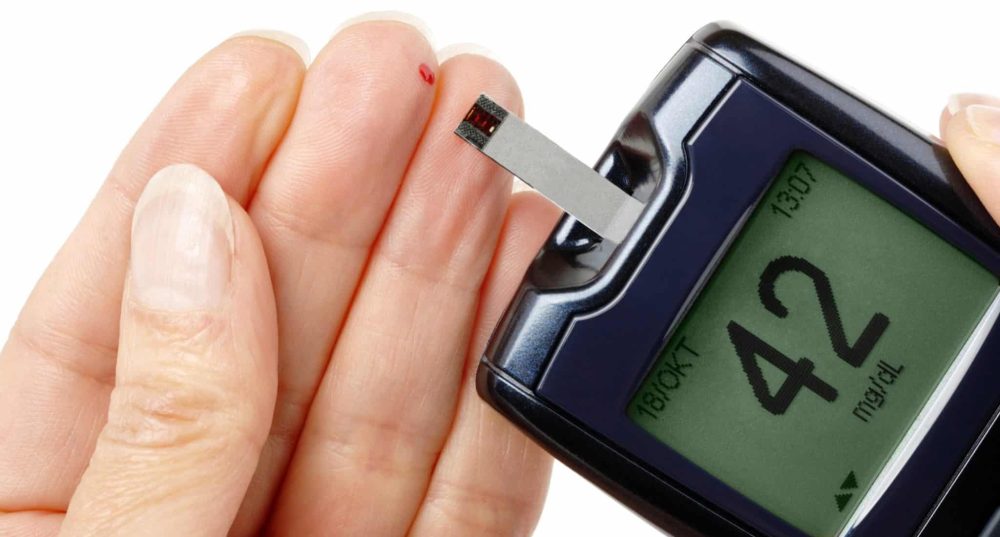
Adult Low Blood Sugar: Spotting Symptoms & Preventing Dips
Recognizing the subtle yet critical signals of low blood sugar, medically known as hypoglycemia, is a vital skill for anyone, particularly adults living with diabetes or those who care for them. This condition occurs when the body's primary fuel source, glucose, drops to dangerously low levels, affecting how our brain and body function. While often associated with diabetes management, hypoglycemia can also affect individuals without diabetes under certain circumstances. Early detection and prompt action can prevent serious complications like fainting, seizures, or even loss of consciousness, safeguarding health and independence.
In this comprehensive guide, we'll delve into the nuances of
Low Blood Sugar Symptoms In Adults, exploring why they happen, how to identify them quickly, and proactive strategies to prevent these potentially debilitating dips. You deserve clear, actionable steps to spot trouble, treat it safely, and navigate your health journey with confidence.
Understanding Hypoglycemia: What is Low Blood Sugar?
At its core, hypoglycemia is a state where the concentration of glucose (sugar) in your blood falls below a healthy threshold. Clinically, blood glucose levels dropping below 70 mg/dL (milligrams per deciliter) are generally considered low and warrant attention. A deeper drop, typically below 54 mg/dL, is often labeled "clinically significant" and demands urgent correction due to its potential impact on brain function.
Glucose is the body's main energy source, essential for the proper functioning of organs, especially the brain. When glucose levels plummet, the body initiates a cascade of responses to try and restore balance, leading to the diverse range of symptoms we observe. For people with diabetes, managing blood sugar levels is a daily balancing act, making them particularly susceptible to hypoglycemia, often due to medications, missed meals, or unexpected physical activity. However, even without diabetes, various factors can lead to a sudden drop in glucose, making awareness crucial for everyone.
Spotting the Early Warning Signs: Low Blood Sugar Symptoms In Adults
The earliest signs of low blood sugar are often the body's alarm system, triggered by the release of stress hormones like adrenaline, which aim to raise glucose levels. These symptoms can be subtle and vary significantly from person to person. Learning to recognize your personal pattern is key.
Common early
Low Blood Sugar Symptoms In Adults include:
- Trembling or Shakiness: An internal or external tremor, often felt in the hands.
- Sweating: Often cold, clammy sweat, disproportionate to activity or temperature.
- Palpitations or Rapid Heartbeat: The heart feels like it's racing or pounding.
- Intense Hunger: A sudden, often ravenous, desire for food.
- Irritability or Mood Changes: Feeling unexpectedly agitated, easily annoyed, or tearful.
- Anxiety or Nervousness: A sense of unease or panic without a clear cause.
- Lightheadedness or Dizziness: A feeling of being unsteady or faint.
These symptoms are your body's urgent plea for fuel. They typically emerge when glucose levels are moderately low but before they become critically dangerous. For individuals without diabetes, these mild symptoms might appear after long gaps between meals, intense exercise without adequate fuel, or periods of stress. Tracking your food, activity, and the timing of these feelings can reveal helpful patterns.
Hypoglycemia Unawareness: A concerning aspect for some, especially those with long-standing diabetes, is "hypoglycemia unawareness." Over time, frequent episodes of low blood sugar can blunt the body's early warning system, making recognition much harder. This means individuals might transition directly from feeling fine to experiencing more severe symptoms without the initial physical cues. If you suspect this is happening, it's vital to discuss it with your healthcare team.
When Glucose Dips Further: Moderate to Severe Symptoms
As blood glucose levels continue to fall, the brain, which relies heavily on a steady supply of glucose, begins to struggle. This leads to a different set of symptoms, impacting cognitive function and physical coordination. These are serious warning signs that require immediate intervention.
Moderate
Low Blood Sugar Symptoms In Adults affecting the brain include:
- Confusion or Disorientation: Difficulty thinking clearly, making decisions, or knowing where you are.
- Blurry or Double Vision: Visual disturbances that impair sight.
- Headache: A dull ache or throbbing sensation.
- Slowed Thinking or Difficulty Concentrating: Feeling mentally sluggish or unable to focus.
- Slurred Speech: Speaking difficulty similar to intoxication.
- Lack of Coordination: Clumsiness, stumbling, or difficulty performing simple tasks.
- Weakness or Fatigue: Profound tiredness and muscle weakness.
In severe cases, when glucose levels plummet to critical levels, the brain can be significantly impaired, leading to:
- Seizures: Uncontrolled electrical activity in the brain.
- Fainting or Loss of Consciousness: Complete unresponsiveness.
- Coma: A prolonged state of unconsciousness.
Severe hypoglycemia is a medical emergency that requires immediate assistance from another person, regardless of meter readings. If someone is experiencing severe symptoms, they need urgent medical attention, often in the form of glucagon administration (a hormone that rapidly raises blood sugar) or emergency services. Understanding
When Low Blood Sugar Is Dangerous: Levels, Risks, and Action is paramount to protecting health and ensuring timely intervention.
Causes of Low Blood Sugar in Adults
The triggers for hypoglycemia can differ significantly between individuals with and without diabetes.
For People with Diabetes:
Low glucose often follows an imbalance in medication, food intake, or physical activity.
- Medication Timing: Taking too much insulin or certain oral diabetes medications (like sulfonylureas) for the amount of food consumed or activity performed.
- Skipped or Delayed Meals: Not eating enough carbohydrates or delaying meals after taking glucose-lowering medication.
- Increased Physical Activity: Unexpected or more intense exercise can lower blood sugar, sometimes hours later, if medication or food intake isn't adjusted.
- Alcohol Consumption: Alcohol, especially on an empty stomach, can prevent the liver from releasing stored glucose, leading to a dip.
For People Without Diabetes (Non-Diabetic Hypoglycemia):
While less common, non-diabetic individuals can also experience hypoglycemia.
- Reactive Hypoglycemia: Sometimes called "postprandial hypoglycemia," this occurs a few hours after eating, particularly meals high in refined carbohydrates. The body releases too much insulin in response to the rapid sugar spike, causing an overshoot and a subsequent dip.
- Long Gaps Between Meals: Prolonged fasting can deplete glucose stores.
- Intense Exercise: Similar to diabetics, non-diabetics can experience lows after unusually strenuous or prolonged physical activity.
- Medications: Rarely, certain non-diabetes medications (e.g., some antibiotics, quinine) can lower blood sugar.
- Heavy Alcohol Intake: Alcohol's effect on liver glucose release applies here too.
- Critical Illnesses: Conditions like severe liver disease, kidney disorders, or sepsis can impair glucose regulation.
- Hormone Deficiencies: Rare conditions affecting cortisol or growth hormone can impact blood sugar.
- Tumors: Very rarely, an insulin-producing tumor (insulinoma) can cause recurrent hypoglycemia.
Keeping a detailed log of your food intake, activity levels, and medication schedule can be incredibly insightful in identifying personal patterns and potential triggers for low blood sugar.
Preventing Dips: Proactive Strategies for Stable Blood Sugar
Prevention is always better than cure, especially when it comes to managing blood sugar. Taking small, consistent steps can significantly reduce the frequency and severity of hypoglycemic episodes.
Key Prevention Strategies:
- Consistent Meal Times and Portions: Aim for regular meals and snacks throughout the day, ensuring balanced carbohydrate intake. Avoid skipping meals, especially if you're on glucose-lowering medications.
- Monitor Blood Glucose Regularly: Frequent self-monitoring of blood glucose (SMBG) provides crucial insights into how your body responds to food, activity, and medication. Continuous Glucose Monitors (CGMs) offer even more comprehensive data and alerts.
- Adjust Medication Appropriately: Always work closely with your healthcare team to fine-tune medication doses and timing based on your lifestyle, activity levels, and meal plans. Never adjust medication without clinical guidance.
- Plan for Exercise: If you're planning strenuous or prolonged physical activity, discuss adjustments to your medication or carbohydrate intake with your doctor. Carry quick-acting carbohydrates during exercise.
- Be Mindful of Alcohol: If you drink alcohol, do so in moderation and always with food. Check your blood sugar more frequently, as alcohol's effects can linger.
- Balanced Bedtime Snack: If you're prone to overnight lows (nocturnal hypoglycemia), a balanced bedtime snack containing both carbohydrates and protein might be beneficial.
- Recognize Nocturnal Hypoglycemia: Low blood sugar during sleep can be particularly dangerous as symptoms are missed. Clues include vivid dreams, night sweats, morning headaches, unusual fatigue upon waking, or a rebound high blood sugar level in the morning. If these occur, review evening meals, activity, and medication with your clinician.
- Always Carry Fast-Acting Carbohydrates: This is a non-negotiable for those at risk. Keep glucose tablets, hard candies, fruit juice, or regular soda readily available.
- Educate Others: Inform family, friends, and colleagues about your condition and what to do if you experience severe hypoglycemia. Consider wearing a medical alert bracelet.
- Regular Medical Check-ups: Ongoing communication with your doctor, endocrinologist, or diabetes educator is crucial for personalized advice and adjustments to your management plan. For a deeper dive into managing the condition, refer to Hypoglycemia in Adults: Key Symptoms, Causes, and Management.
Conclusion
Understanding
Low Blood Sugar Symptoms In Adults is not just about memorizing a list; it's about developing an intimate awareness of your body's signals and having the knowledge to act swiftly and effectively. From the early jitters and sweating to the more serious cognitive impairments, each symptom is a call to action. By recognizing these signs, understanding their causes, and implementing proactive prevention strategies, you empower yourself to maintain stable blood sugar levels and protect your well-being. Remember, managing hypoglycemia is a collaborative effort – always keep your healthcare team informed of your experiences and patterns to ensure the safest and most effective care.