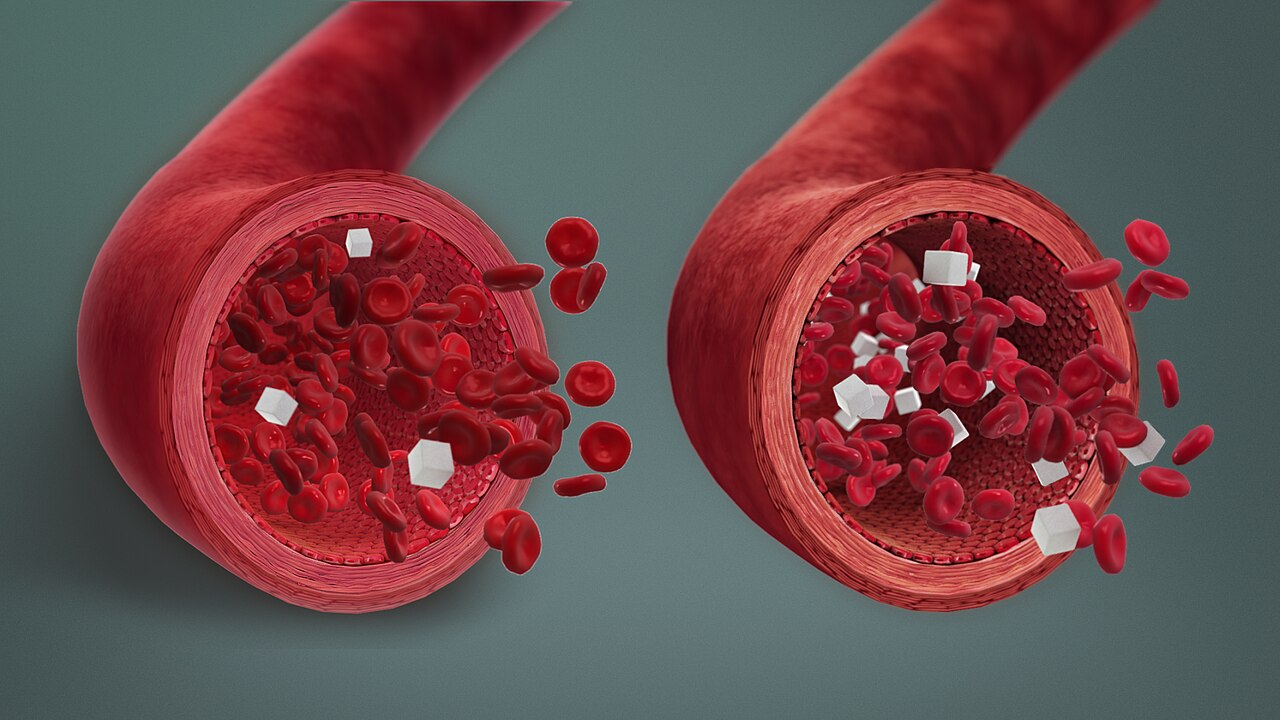
Recognizing the warning signs of low blood sugar is a crucial skill that can protect health and maintain independence for many adults. Whether you or a loved one manages diabetes, or if you occasionally experience unexplained dips in energy, understanding low blood sugar symptoms in adults is paramount. This condition, medically known as hypoglycemia, occurs when blood glucose levels fall too low to provide the body with essential energy. Early detection and prompt action can prevent serious complications like fainting, seizures, or even loss of consciousness.
This comprehensive guide will walk you through the key symptoms, explore the underlying causes for both individuals with and without diabetes, and provide actionable strategies for effective management and prevention. By equipping yourself with this knowledge, you can approach potential episodes with confidence and ensure timely, life-saving intervention.
Understanding Hypoglycemia: What is Low Blood Sugar?
Hypoglycemia is defined as a condition where the blood glucose (sugar) level drops below a healthy range. Glucose is the primary fuel source for our cells, especially the brain. When levels fall too low, the body, and particularly the brain, struggles to function properly, triggering a cascade of symptoms. Clinicians generally consider a blood glucose level below 70 mg/dL (milligrams per deciliter) as the threshold for an actionable low, requiring immediate intervention.
A further drop, typically below 54 mg/dL, is often labeled clinically significant, indicating a more severe state that warrants urgent correction and medical attention. Beyond specific numbers, severe hypoglycemia is characterized by the need for assistance from another person, regardless of the meter reading, due to profound confusion, unconsciousness, or inability to self-treat. The goal is always to intervene well before reaching these critical levels, making early symptom recognition incredibly important.
Recognizing the Warning Signs: Low Blood Sugar Symptoms in Adults
The manifestation of low blood sugar can vary significantly from person to person and depends on the severity of the glucose drop. However, understanding the common progression of symptoms can help you or a caregiver act swiftly. For a deeper dive into how to identify and respond to these signals, you might find our article on Adult Low Blood Sugar: Spotting Symptoms & Preventing Dips particularly helpful.
Early and Mild Symptoms (Autonomic or Adrenergic Response)
These initial symptoms are often the body's alarm system, triggered by the release of stress hormones like adrenaline, which aim to raise blood glucose. They are typically noticeable when blood sugar levels begin to fall below 70 mg/dL:
- Trembling or Shakiness: An uncontrollable internal or external tremor.
- Sweating: Often cold, clammy sweat, disproportionate to activity or temperature.
- Palpitations or Rapid Heartbeat: Feeling your heart pounding or racing.
- Intense Hunger: A sudden, strong craving for food.
- Irritability or Mood Swings: Feeling unusually agitated, anxious, or short-tempered.
- Anxiety: A sense of unease or nervousness without an obvious cause.
- Tingling sensation: Especially around the mouth or in the fingers.
Moderate to Severe Symptoms (Neuroglycopenic Symptoms)
As blood glucose continues to drop, the brain, which relies almost exclusively on glucose for energy, starts to malfunction. These symptoms indicate that the brain is being deprived of sufficient fuel:
- Confusion or Difficulty Concentrating: Struggling to think clearly or perform simple tasks.
- Dizziness or Lightheadedness: A feeling of unsteadiness.
- Headache: A dull ache that can worsen.
- Blurred or Double Vision: Difficulty focusing or seeing clearly.
- Slurred Speech or Difficulty Speaking: Mimicking symptoms of intoxication.
- Clumsiness or Lack of Coordination: Difficulty walking, writing, or performing fine motor skills.
- Drowsiness or Fatigue: Feeling unusually sleepy or weak.
- Disorientation: Not knowing where you are or what day it is.
In the most severe cases, if not treated, hypoglycemia can lead to seizures, loss of consciousness, or coma. These are medical emergencies requiring immediate professional help.
Special Considerations: Hypoglycemia Unawareness and Nocturnal Lows
- Hypoglycemia Unawareness: Over time, especially with frequent episodes, some individuals may lose the ability to feel the early warning signs of low blood sugar. This condition, known as hypoglycemia unawareness, is particularly dangerous as it increases the risk of sudden severe lows without prior warning. It underscores the importance of regular blood glucose monitoring and discussing personal patterns with your healthcare provider.
- Nocturnal Hypoglycemia: Low blood sugar can also occur during sleep, posing unique challenges as symptoms are harder to detect. Clues that you might be experiencing nocturnal lows include:
- Night sweats.
- Vivid dreams or nightmares.
- Waking up with a headache or unusual fatigue.
- A partner noticing restless sleep or unusual sounds.
- Experiencing a "rebound high" blood sugar level upon waking, as the body tries to correct the overnight low.
Delving Deeper: Causes of Low Blood Sugar in Adults
The causes of hypoglycemia vary depending on whether an individual has diabetes or not. Understanding these causes is crucial for effective prevention and management.
Causes for Individuals with Diabetes
For adults living with diabetes, particularly those using insulin or certain oral medications, low blood sugar is a common concern. The primary culprits often include:
- Medication Imbalance: Taking too much insulin or certain diabetes medications (like sulfonylureas) for the amount of food consumed.
- Skipped or Delayed Meals: Taking diabetes medication but then delaying or skipping a meal, leading to more medication action than food to process.
- Increased Physical Activity: Unexpected or intense exercise can lower blood glucose levels, sometimes hours after the activity.
- Alcohol Consumption: Alcohol can interfere with the liver’s ability to release stored glucose, particularly if consumed on an empty stomach or in large quantities. This effect can last for several hours.
- Reduced Food Intake: Eating less than usual or not enough carbohydrates.
- Weight Loss: As body weight changes, medication doses may need adjustment.
Causes for Individuals Without Diabetes (Non-Diabetic Hypoglycemia)
While less common, some adults without diabetes can also experience hypoglycemia. This is often categorized into two types:
- Reactive Hypoglycemia (Postprandial Hypoglycemia): This occurs a few hours after eating, particularly meals high in simple carbohydrates. The body might release too much insulin in response to the rapid rise in blood sugar, leading to a subsequent dip. It’s often linked to delayed insulin release.
- Fasting Hypoglycemia: This occurs when blood sugar drops after a period of not eating. Less common, it can be due to:
- Medications: Certain drugs, like some antibiotics or quinine, can lower blood sugar.
- Heavy Alcohol Intake: Similar to its effect on diabetics, alcohol can impair glucose production.
- Critical Illness: Severe liver disease, kidney disorders, or advanced heart failure can affect glucose regulation.
- Hormone Deficiencies: Conditions affecting cortisol or growth hormone can impact blood sugar.
- Tumors: Very rarely, an insulin-producing tumor (insulinoma) can cause recurrent severe hypoglycemia.
- Eating Pattern: Long gaps between meals combined with intense physical activity can also contribute.
Effective Management and Prevention Strategies
Managing and preventing low blood sugar requires a proactive approach, combining immediate treatment with long-term lifestyle and medication adjustments.
Immediate Treatment of a Low Blood Sugar Episode
If you experience low blood sugar symptoms in adults and your blood glucose is below 70 mg/dL, follow the "15-15 Rule" (or 15-20 Rule):
- Consume 15-20 grams of fast-acting carbohydrates. Examples include:
- 4 ounces (½ cup) of fruit juice or regular soda (not diet).
- 5-6 pieces of hard candy (not sugar-free).
- 1 tablespoon of honey or sugar.
- Glucose tablets (check packaging for appropriate dose, usually 3-4 tablets).
- Wait 15 minutes.
- Recheck your blood glucose.
- If your blood glucose is still below 70 mg/dL, repeat the 15-20 grams of carbohydrates.
- Once your blood sugar is back to target (above 70 mg/dL), eat a small snack or meal if your next planned meal is more than an hour away to prevent another drop.
For severe hypoglycemia (when someone is unconscious or unable to swallow), glucagon is a prescription medication that can rapidly raise blood sugar. Ensure family members or close contacts know how and when to administer it. Always seek immediate medical help for severe episodes, especially if the person does not respond after glucagon administration.
Prevention Tips for Recurring Lows
Prevention is key to minimizing the risks associated with hypoglycemia. For insights into when low blood sugar can become dangerous, refer to our article When Low Blood Sugar Is Dangerous: Levels, Risks, and Action.
- Consistent Meal Timing: Eat regular, balanced meals and snacks throughout the day. Don't skip meals.
- Medication Adherence: Take your diabetes medications exactly as prescribed by your doctor. If you change your eating habits or activity level, discuss potential medication adjustments with your care team.
- Monitor Blood Glucose Regularly: Frequent self-monitoring helps you understand your body’s patterns and catch lows early. Continuous Glucose Monitors (CGMs) can provide real-time data and alerts.
- Adjust for Exercise: If you plan an intense or prolonged workout, discuss with your doctor whether you need to adjust medication doses or consume extra carbohydrates before and during activity.
- Mindful Alcohol Consumption: Drink alcohol in moderation, always with food, and monitor your blood sugar closely, as effects can be delayed.
- Balanced Bedtime Snack: If you frequently experience nocturnal lows, a small, balanced bedtime snack (e.g., complex carbohydrate with protein) might be beneficial, especially after an active evening.
- Educate Others: Inform family, friends, and co-workers about your condition and how to help in an emergency.
- Wear Medical ID: A medical alert bracelet or necklace can communicate your condition to first responders if you are unable to.
- Keep Fast-Acting Carbs Handy: Always carry glucose tablets, hard candy, or fruit juice with you.
- Regular Consultations: Maintain open communication with your healthcare provider. Share your personal patterns, symptom experiences, and any recurring lows so they can fine-tune your treatment plan.
Hypoglycemia, while manageable, requires diligence and a personalized approach. Your healthcare team is your best resource for tailoring a plan that addresses your specific needs and circumstances.
Empowering yourself with knowledge about low blood sugar symptoms in adults, their causes, and effective management strategies is essential for maintaining your health and quality of life. By staying vigilant, understanding your body's signals, and working closely with your healthcare provider, you can effectively prevent and manage hypoglycemia, ensuring your safety and well-being. Proactive steps, from consistent monitoring to having emergency carbohydrates on hand, can make all the difference in navigating this common yet serious condition.